Torn between building in Wolf Ranch and buying a nearby resale home? You are not alone. Many move‑up buyers and relocators weigh timelines, maintenance, monthly costs, and long‑term value when choosing between these two strong options in northeast Colorado Springs. In this guide, you will get a clear, side‑by‑side look at what you get with Wolf Ranch new construction versus resale in nearby Briargate and the north side, including prices, taxes, HOAs, incentives, warranties, and timing. Let’s dive in.
Snapshot: Wolf Ranch vs. nearby resale
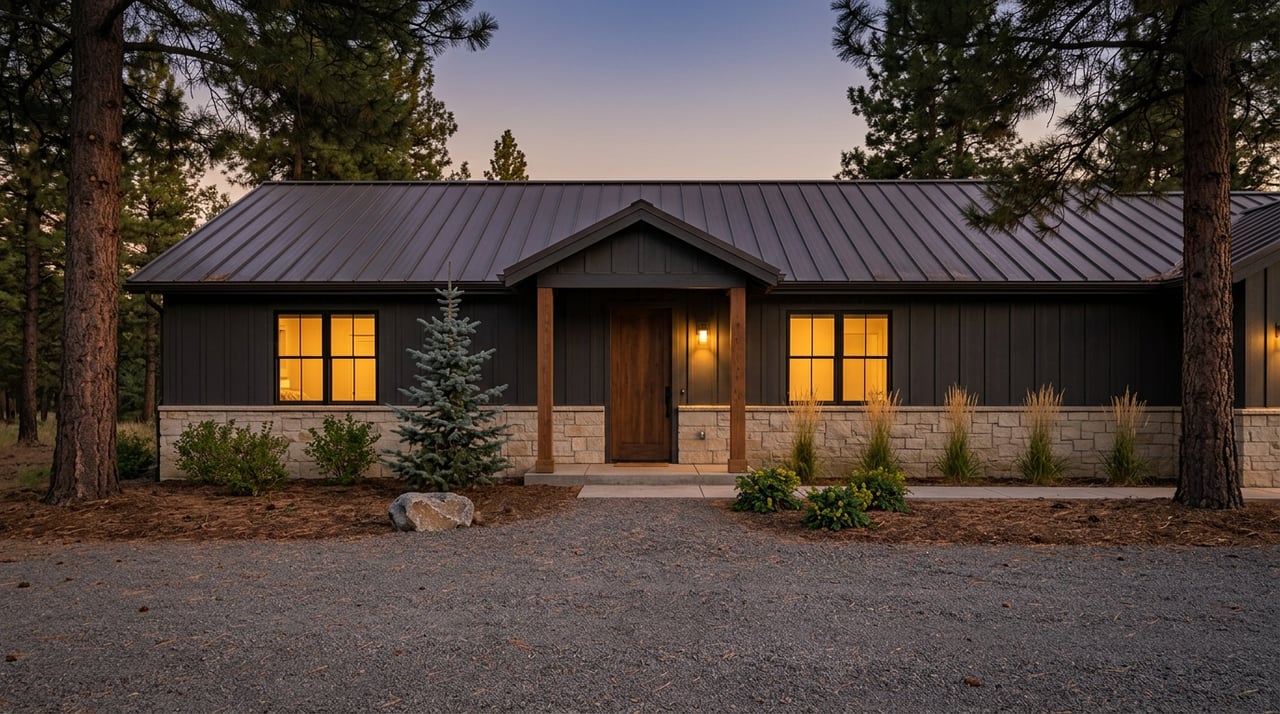
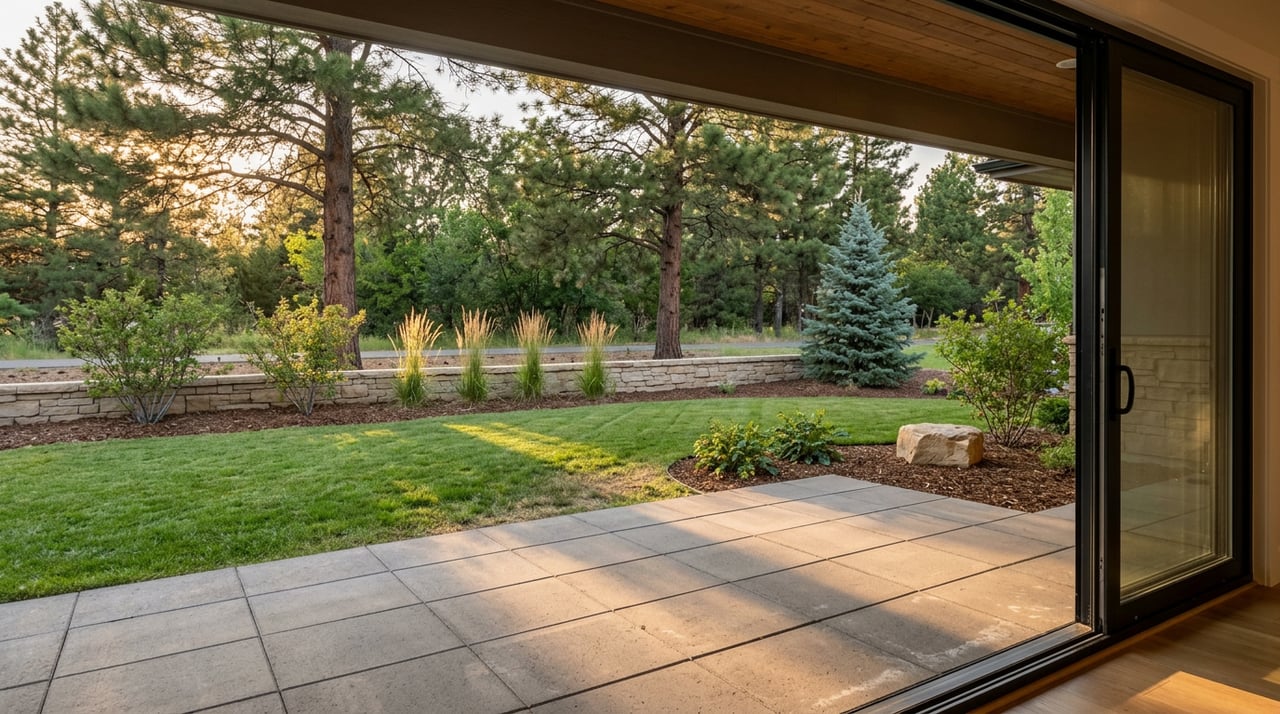
Wolf Ranch is a master‑planned community in northeast Colorado Springs that spans about 1,982 acres, anchored by a 14‑acre lake and roughly 300 acres of open space and trails. Multiple builders offer a range of homes, from single‑family to low‑maintenance paired‑patio products, plus occasional quick‑move inventory. You can preview community amenities and the builder roster on the official site at Wolf Ranch.
For price context, recent neighborhood snapshots place Wolf Ranch’s median sale price around the high $600Ks to about $700K. See the current neighborhood page for Wolf Ranch on Homes.com. Nearby Briargate, an established north‑side area with older stock and some townhomes, often sits in the low $500Ks for median price per recent snapshots on Homes.com. Medians vary by source and change monthly, so it is smart to confirm the latest numbers from the local MLS before you decide.
What you get with Wolf Ranch new construction
Modern plans and low‑maintenance options
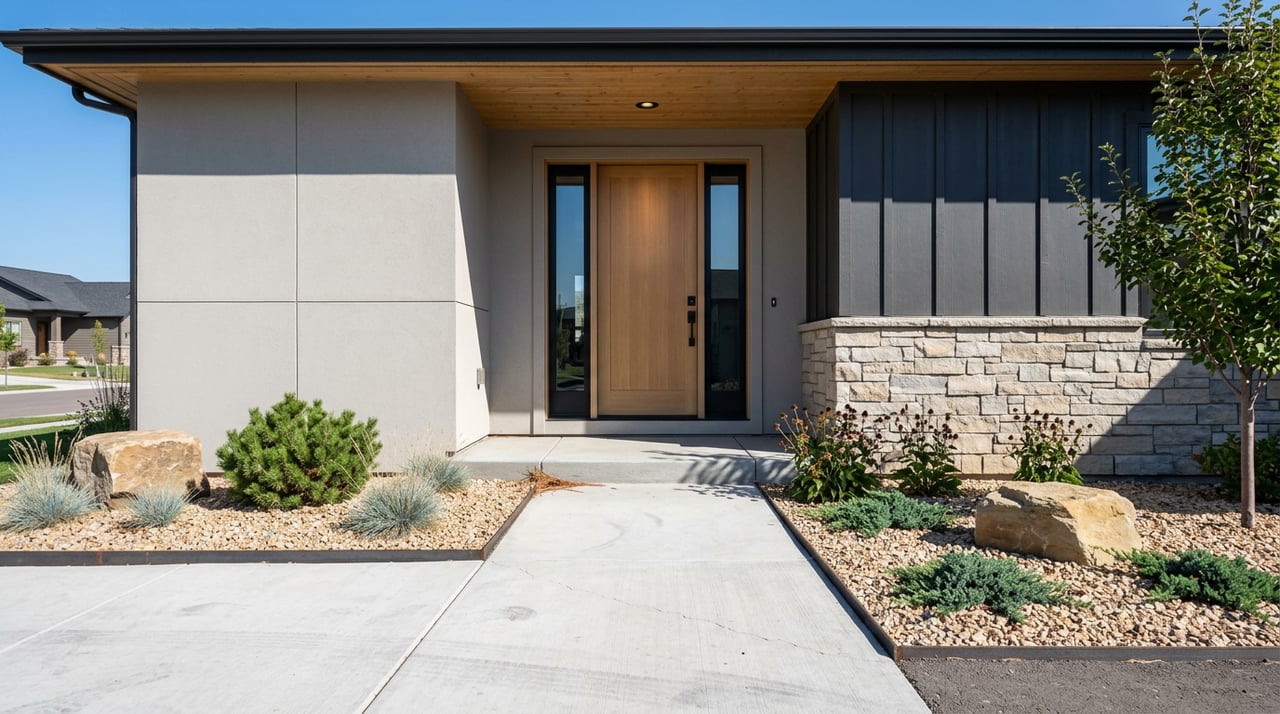
New construction in Wolf Ranch offers a wide mix: ranch and two‑story homes, larger lots in select phases, and paired‑patio homes that lean into low‑maintenance living. Some paired‑patio products in Wolf Ranch include exterior maintenance, trash, and snow removal as part of the HOA package, which can be a big win if you want less weekend upkeep. For a concrete example, review the Legends paired‑patio collection from Classic Homes in Wolf Ranch and its listed inclusions on Classic Homes.
Incentives you can use right now
Builders commonly offer incentives to compete with resale inventory. You might see mortgage‑rate buydowns, closing cost help, design center credits, landscaping packages, or price reductions on quick‑move homes. These offers change often and usually come with terms, such as using a preferred lender or closing by a set date.
As a local example, some Wolf Ranch quick‑move listings from David Weekley Homes have advertised rate incentives and landscaping credits. You can view community and quick‑move details on NewHomeSource. Always confirm the exact dates, rules, and lender requirements before you rely on an offer.
Builder warranties that protect your first years
Most reputable new‑home builders provide a 1‑2‑10 style warranty: one year for workmanship and materials, two years for systems like HVAC, plumbing, and electrical, and ten years for qualifying structural defects. Many enroll with a third‑party structural warranty provider, which can add transferability and clear claim procedures if you sell later. Get familiar with the differences between structural warranties and service agreements on 2‑10 Home Buyers Warranty.
Why this matters: warranties reduce the risk of early repair bills compared with older homes, and documented, transferable coverage can help market your home when you move again. Still, you should hire independent inspections and document items before the one‑year walkthrough window closes.
What resale in Briargate and the north side offers
Speed and certainty when timing is tight
A typical resale purchase with conventional financing closes in about 30 to 45 days, assuming no lender or title delays. That quick path to keys is a major advantage if you need housing on a set schedule. See a helpful overview of closing timelines on Rocket Mortgage.
Finished neighborhoods and established comps
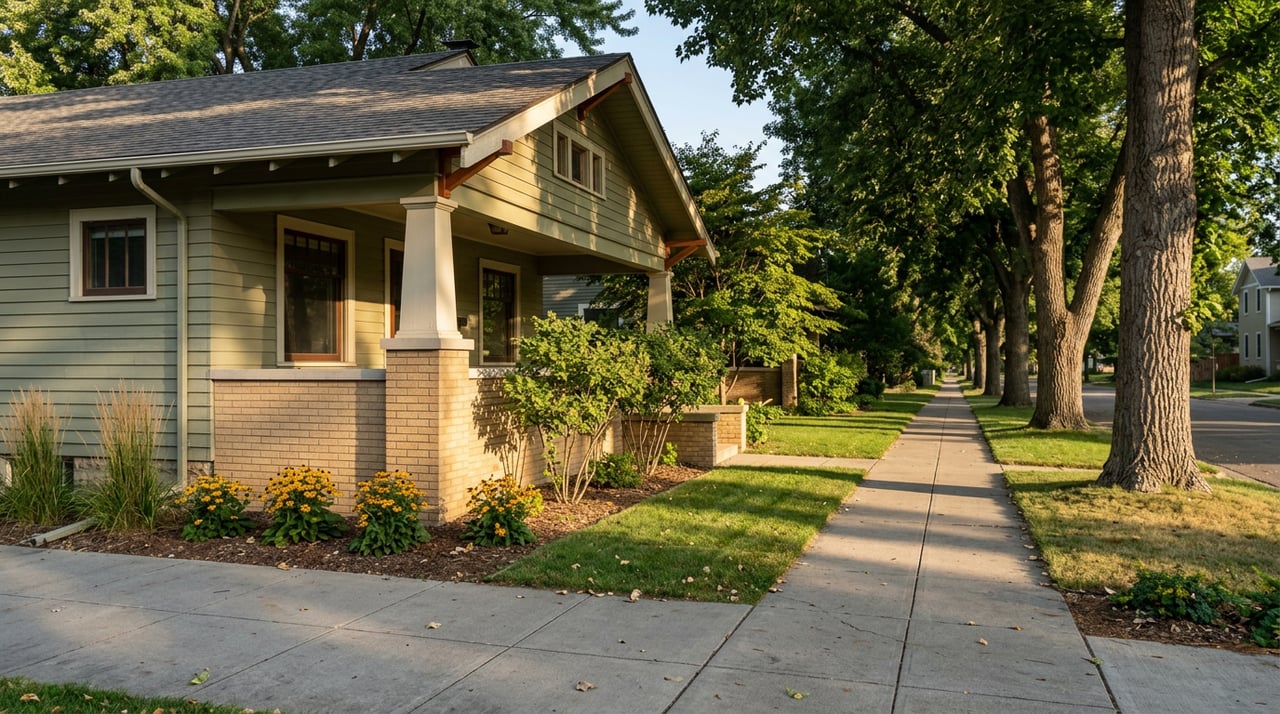
Resale homes often come with mature landscaping, fully settled streetscapes, and long histories of comparable sales. That depth of comps can help appraisals in uneven markets. Older north‑side neighborhoods may also have simpler property tax structures, since some do not have active metro district debt lines. Always verify the exact tax lines on the parcel you are considering.
Tradeoffs to plan for
Older homes can bring near‑term costs for roofs, HVAC, or windows if those systems are approaching the end of life. Many resale floor plans reflect older design trends, and energy efficiency may trail today’s standards. You can update finishes, but budget for replacements and utility variability as part of your total cost.
Taxes, metro districts, and HOA differences
How metro districts work in Wolf Ranch
Wolf Ranch is served by metropolitan, or special, districts that helped finance public improvements and now support operations such as parks, streetscapes, and the community recreation center. These districts levy debt service and operations mills that appear as separate lines on your property tax bill. The City of Colorado Springs provides an overview of how special districts operate and how mill caps work on the Special Districts page.
What that could mean for your tax bill
Here is a simple illustration to show the math, not a quote for any specific home. Take a $600,000 market value and a recent Colorado residential assessment rate of about 6.7 percent. The assessed value would be about $40,200. If a Wolf Ranch district levied roughly 21 mills for debt service, that line item would add about $40,200 × 0.021, or around $850 per year. Other district mills, plus city, county, and school mills, build the full bill. The residential assessment rate and credits can change, so confirm current figures. For background on assessment rates and recent changes, see this explainer from Colorado Fiscal Institute.
In many established north‑side neighborhoods, you may see fewer or no metro district debt lines, although exceptions exist. Always do a parcel‑level lookup with the El Paso County Assessor or Treasurer to confirm exact mills.
HOA structures and services
Wolf Ranch uses master and sub‑associations. Some product lines, especially paired‑patio homes, include exterior maintenance, trash, and snow removal within HOA dues, which can simplify monthly budgeting. In older areas like Briargate, you will find a mix. Some pockets have small or no HOAs, while other enclaves with added amenities carry higher dues. Review each community’s CC&Rs, budget, and policies to understand services and rules before you buy.
Timeline: build vs. resale
How long a new build can take
Production builders commonly need 6 to 12 months from permit to move‑in for a to‑be‑built home, and complexity or weather can extend that. National summaries place average completion times around 8 to 10 months, although timing varies by region and builder. Quick‑move or spec homes, which are already under way or complete, can often close on a schedule similar to resale. For a national overview of build times, see this guide from SoFi.
Who should choose which path
- If your move date is fixed, a resale or a true quick‑move new home usually carries less timing risk.
- If you have flexibility and want to personalize finishes, a to‑be‑built home can be a strong fit, just build in a buffer for weather and supply lead times.
Appraisals, upgrades, and the real monthly cost
New‑construction appraisals can be sensitive to high upgrade totals or lot premiums when there are not many nearby closings to support those prices. To avoid surprises, ask the builder for an itemized upgrade list, then compare upgrades to recent closed sales in the same phase. On the resale side, you will often have deeper comps, which can help support contract price.
For either path, turn headline prices into an apples‑to‑apples monthly cost:
- Start with price after incentives or negotiated credits.
- Add estimated property taxes, including any metro district mills tied to the parcel.
- Add HOA dues and any included services you would otherwise pay for separately.
- Include current insurance quotes and utility estimates for your home type.
This view helps you see the true gap between a new home with a rate buydown and a resale with a price reduction.
A practical side‑by‑side checklist
Use this list to compare a Wolf Ranch new build with a nearby resale home in Briargate or the north side.
- Price and upgrades: base price, lot premium, structural options, design upgrades, and all incentives. Get the final, after‑incentive number in writing.
- Incentive terms: confirm rate buydown details, closing cost caps, lender requirements, and promotion end dates. Ask for an estimated monthly payment with and without the preferred lender.
- Warranties: get the workmanship, systems, and structural coverage documents. Confirm the warranty provider, claim process, limits, and transfer rules.
- HOA and metro districts: request HOA budgets and rules. For Wolf Ranch, also pull the metro district service plan summary and current mills. Ask how operations are funded and whether new bonds are planned.
- Taxes: run a parcel‑level lookup with the El Paso County Assessor or Treasurer. Model total taxes with current assessment rates and mills.
- Appraisal support: request recent closed comps for the same Wolf Ranch phase and for your target resale area. Plan for appraisal variance if your upgrades are above typical.
- Timeline: write down the builder’s projected completion date and what happens if it slips. For resale, confirm your lender’s timeline and appraisal turn time.
Which path fits your goals
If you want modern design, low‑maintenance options, and warranty coverage in a master‑planned setting, Wolf Ranch new construction is hard to beat. The ability to pick packages, plus incentives and transferable warranties, can make first years more predictable.
If you need speed, value mature landscaping, and prefer established comps, resale in Briargate and the north side may fit better. You can move faster, often with simpler tax structures, and update finishes over time.
Either way, you deserve a clear process, steady communication, and data you can trust. Our team builds side‑by‑side comparisons that convert incentives and dues into real monthly costs, then negotiates for the timeline and terms you need. When you are ready, connect with Erik Galloway to get your plan started and Get Your Free Home Roadmap.
FAQs
How do Wolf Ranch metro districts affect taxes?
- Special districts levy debt and operations mills that show up as separate lines on your property tax bill, which can add hundreds of dollars per year depending on assessed value and mills. Verify the exact mills on your parcel before you buy.
What is usually included with Wolf Ranch paired‑patio HOAs?
- Some paired‑patio products include exterior maintenance, trash service, and snow removal within HOA dues, which reduces personal maintenance and can stabilize monthly costs. Always confirm inclusions for the specific sub‑association.
How long does a new Wolf Ranch home take to build?
- Many production builds take 6 to 12 months from permit to move‑in, while quick‑move or spec homes can close on a schedule similar to resale once a finish date is set.
Are builder incentives better than a resale price cut?
- It depends on your financing and timing. Convert incentives like rate buydowns or closing credits into your after‑incentive price and monthly payment, then compare that to a resale scenario with taxes, HOA, and insurance included.
Do new homes still need inspections if they have a 1‑2‑10 warranty?
- Yes. Warranties do not replace independent inspections. You should inspect before closing and again before the one‑year window ends to document items for the builder.
How do resale closing timelines compare to quick‑move new construction?
- A typical resale closes in 30 to 45 days, and a true quick‑move new home can often match that once the builder sets the finish date and issues a certificate of occupancy.