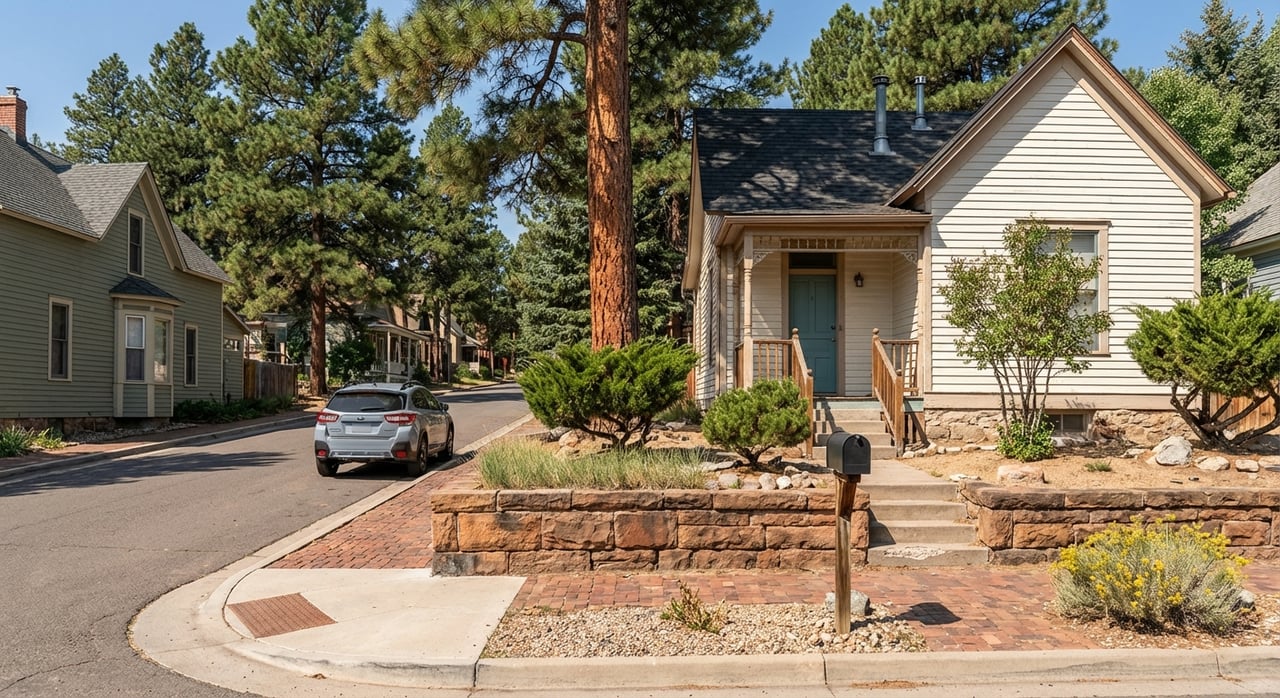
If you picture yourself strolling to coffee, browsing galleries, and hopping on a trail after work, Manitou Springs might be your spot. This compact mountain town pairs historic charm with an artsy vibe and everyday walkability. At the same time, the homes are older, the streets get busy on peak weekends, and the terrain adds a few ownership quirks. In this guide, you’ll learn what daily life feels like, what homes cost and look like, how to navigate tourism and parking, and the key checks to do before you buy. Let’s dive in.
Why Manitou Springs stands out
Manitou Springs sits at the foot of Pikes Peak with about 4,800 residents. The core blocks center on Manitou Avenue, a pedestrian‑friendly main street with galleries, cafés, and access to parks and trails. If you value being able to run errands on foot, you’ll appreciate that central Manitou scores in the Very Walkable range, with a Walk Score near 80 for the downtown area. You can see the central rating on the Walk Score map of Manitou’s core location: central Manitou walkability overview.
Geography shapes daily life here. The town sits in a narrow valley with steep slopes. That topography limits new construction and helps preserve the 19th and early 20th century character many buyers love. It also means hillside homes, stair-step lots, and a focus on drainage and retaining walls.
Quick buyer checklist
Use this short list to stress-test whether Manitou fits your lifestyle and budget. Click the resources to go deeper.
Title, zoning, and design review
Many addresses sit inside the Manitou Springs Historic District, which can trigger design review for exterior changes. Review the Manitou Springs Historic District overview.
Foundation, retaining walls, and driveway access
Steep lots often rely on retaining walls and narrow, sloped driveways. Plan specific inspections for these elements.
Roof, gutters, drainage, and erosion control
Freeze‑thaw cycles and steep slopes magnify drainage issues. The regional hazard plan highlights flood and wildfire as key risks. Review the El Paso County hazard plan coverage.
Lead paint and renovation rules
Many homes predate 1978. If you plan to renovate, follow lead‑safe practices and disclosures. See the EPA’s lead‑safety guidance.
Radon testing and mitigation
El Paso County is in the EPA’s high‑potential radon zone. Testing is standard and mitigation is common if levels are high. Learn more from the EPA radon zone map.
Wildfire and flood exposure
Check local hazard maps, nearby burn scars, and whether a parcel sits in a mapped debris‑flow or flood‑prone area. Consider insurance implications. See the regional hazard plan reference.
Utilities, water, and sewer
Confirm city water and sewer service, or whether an outlying parcel differs. Start with City Hall’s Neighborhood Services page.
Parking and neighborhood rules
Tourism drives demand for curb space. Confirm on‑site parking and whether your block uses residential permits during peak season.
Short‑term rentals
If you are considering income potential, verify current short‑term rental rules and taxes with the city before you assume STR use. Begin with Neighborhood Services.
Homes, prices, and preservation
If you love character homes, you’ll feel at home here. The Manitou Springs Historic District includes Victorian cottages, Queen Anne designs, stone houses, and small former inns that speak to the town’s mineral‑springs era. Design review helps preserve that look and feel, which supports long‑term neighborhood character for many buyers. Get familiar with the Historic District’s background so you know how exterior updates are evaluated.
On pricing, recent real estate portals show different snapshots because they measure different things. One recent monthly read placed the median sale price around 599,000 dollars, while a separate home value index estimated roughly 528,000 dollars. In small markets like Manitou, a few sales can swing the monthly numbers, so treat any single figure as a guidepost rather than a promise. Inventory also tends to be tight, and well‑kept, move‑in‑ready homes can command a premium.
What to expect in inspections
Older homes often come with layered updates. It is common to find:
- Original or early electrical and plumbing paired with newer fixtures.
- Piecemeal HVAC improvements.
- Roofing, gutters, window seals, and insulation that may need targeted upgrades.
Lead and radon are routine due‑diligence items here. If you have renovation plans, be clear on what might trigger historic design review, and confirm past permits were pulled for big changes. Your inspector should pay close attention to slope, retaining walls, drainage paths, and any signs of erosion.
Trails, springs, and the arts scene
Outdoor access is a daily highlight. Barr Trail, a major route up Pikes Peak, begins in Manitou. If you hike or run, it is a signature backyard asset. Read the Forest Service’s Barr Trail overview for current details on use and parking near the trailhead.
Right next door, Garden of the Gods draws millions of visitors each year. Its red rock formations are a regional icon and add to the weekend buzz. Get a feel for it from the regional guide to Garden of the Gods Park.
Manitou’s identity also centers on its namesake mineral springs. Locals and visitors alike enjoy casual “springabouts” to sample the various fountains around town. The city promotes a pedestrian rhythm, free local shuttle options, and community care for shared spaces. Explore the city’s Manitou Cares page for an overview of springs, shuttle, and stewardship efforts.
On the arts side, you’ll find galleries, small performance venues, and an eclectic retail mix that stays lively through the seasons. Signature events, like the quirky late‑October Emma Crawford Coffin Races, add to the town’s creative energy. Expect high foot traffic on festival days and a more relaxed pace in shoulder seasons and evenings.
The tourism rhythm, honestly
Visitor traffic is part of Manitou’s charm and economy. Peak days and event weekends feel lively and crowded in the core. Many residential streets just off Manitou Avenue are quiet after business hours and outside peak season. If you want the convenience of walking everywhere, consider a home in or near the core and plan for parking rules and weekend bustle. If you prefer a quieter setting, look a few blocks up the hills and confirm on‑site parking before you buy.
Commute, transit, and parking
From Manitou to central Colorado Springs, commute times are often in the tens of minutes, depending on route and time of day. Regional averages commonly fall in the 20 to 30 minute range, with typical congestion on I‑25 during peak hours. If you commute to Denver, plan on 1.5 to 2 hours door to door. For a broad view of local commute expectations, see this Colorado Springs commute time overview.
The city promotes a free shuttle that links outer parking lots with downtown and the Incline area during busy periods. Street parking in the core is metered, and there are paid lots. Residential permit programs help protect neighborhood streets. The Dillon Mobility Hub and Hiawatha Gardens areas are common shuttle and parking references. For current shuttle and parking guidance, start with the city’s Manitou Cares information.
Is Manitou Springs a fit for you?
Choose Manitou if you want a small, arts‑forward mountain town where you can leave the car at home for dinner, a gallery opening, or a quick trail session. Be ready for the tradeoffs that come with historic homes and a visitor economy. That means thoughtful inspections, clarity on design review, a plan for parking, and realistic expectations for peak‑season weekends.
If that balance sounds right, you will find a tight‑knit town with character, natural beauty, and a main street you can actually use day to day.
Ready to explore homes that match your lifestyle and budget in Manitou Springs? Let’s build a clear plan together so your search feels calm and informed. Connect with Erik Galloway to Get Your Free Home Roadmap.
FAQs
Is Manitou Springs too touristy for full‑time living?
- Peak season and event weekends are busy in the downtown core, while many residential blocks are quieter in evenings and off‑season. Plan for both rhythms when choosing location.
How walkable is Manitou Springs for daily errands?
- The central area is rated Very Walkable with a Walk Score near 80, which supports on‑foot errands, dining, and entertainment. Hills and distance increase as you move away from the core.
Are Manitou Springs homes hard to maintain?
- Many are historic or older. Expect standard due diligence on lead paint and radon, plus careful inspection of drainage, retaining walls, and older systems. Budget for targeted upgrades.
What are typical home prices in Manitou Springs?
- Recent portals show a median sale price around 599,000 dollars and a separate home value index near 528,000 dollars. Small markets can swing month to month, so verify current data before you shop.
How long is the commute to Colorado Springs or Denver?
- Many Colorado Springs commutes take 20 to 30 minutes depending on route and time. A Denver commute is typically 1.5 to 2 hours. Always test your route at your usual drive time.