Thinking about living in Monument or North Colorado Springs and wondering which one makes your commute easier? You’re not alone. If you work in different parts of the Pikes Peak region or make trips to Denver, the right location can save you time and stress. In this guide, you’ll get a clear, side‑by‑side look at commute patterns, housing, HOAs, daily conveniences, utilities, and practical risks so you can choose with confidence. Let’s dive in.
Quick orientation for commuters
Monument sits along I‑25 north of Colorado Springs as part of the Tri‑Lakes area. You get straightforward access to I‑25 for trips south to Colorado Springs or north toward the Denver area. North Colorado Springs includes neighborhoods like Briargate and Interquest/Northgate, along with nearby unincorporated areas that blend into Black Forest.
Both areas connect to I‑25, and peak traffic is predictable. Travel time depends on your exact start and end points and the time of day. Regional transit options exist but are limited in frequency compared with major metro systems, so most commuters rely on driving.
Commute snapshots and patterns
Use this table as a high‑level guide to relative patterns. Actual times vary by address and time of day.
| Origin Area | To Downtown Colorado Springs | To Briargate/Interquest | To Denver Tech Center |
|---|---|---|---|
| Monument (Tri‑Lakes) | Often longer, more miles south | Often similar or slightly longer | Often shorter for northbound travel |
| North Colorado Springs | Often shorter, fewer miles | Often shorter with multiple interchanges | Often longer due to extra miles north |
Tip: If you work south of downtown or need to connect to highways other than I‑25, expect more variables. If your job is near Briargate/Interquest, living nearby in north Colorado Springs can trim local drive time.
Housing and lots at a glance
You’ll find a range of home types and settings in both locations. The main differences come down to lot size, neighborhood age, and how close you are to retail and job centers.
Monument: space and semi‑rural options
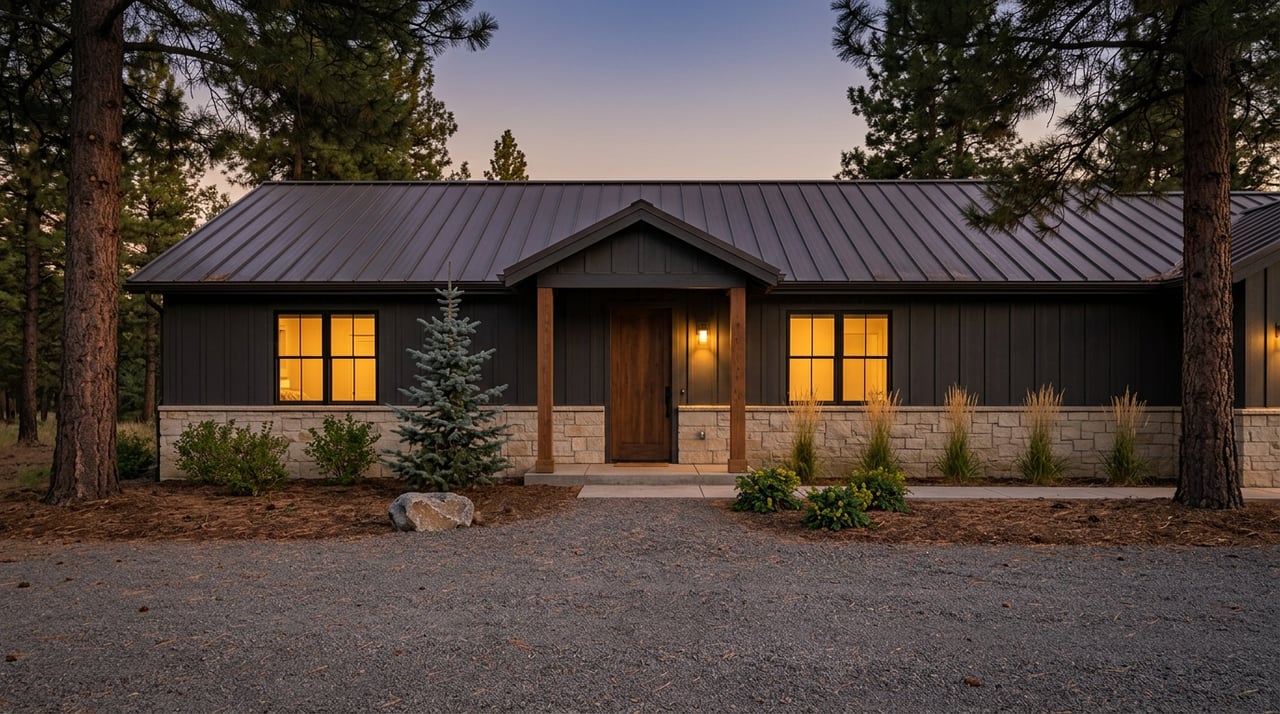
Monument offers a mix of historic homes near town and newer master‑planned neighborhoods. You’ll also see semi‑rural and acreage properties on the outskirts. Many subdivisions emphasize space, outdoor living, and views.
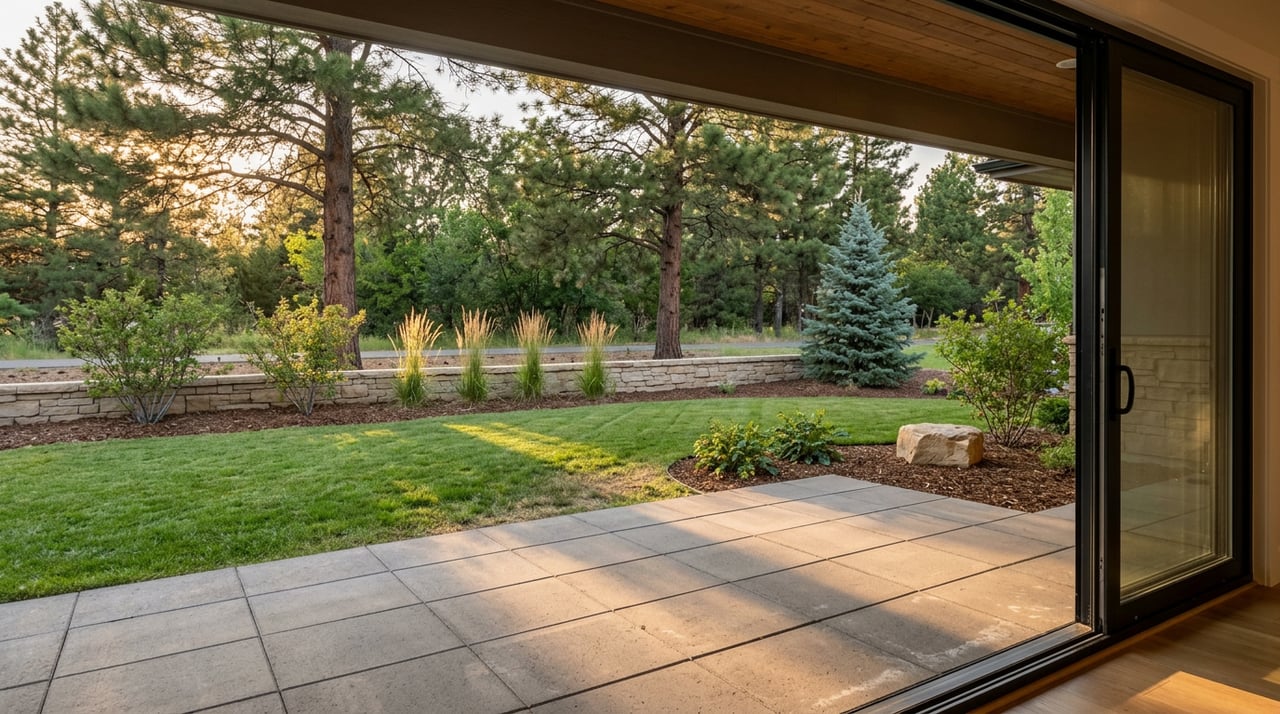
Lot sizes in Monument often skew larger, ranging from typical suburban parcels to properties measured in acres. Some older in‑town lots are smaller, similar to city lot sizes. Homes vary in age, with older properties that may need updates and newer builds with modern systems.
North Colorado Springs: variety and proximity
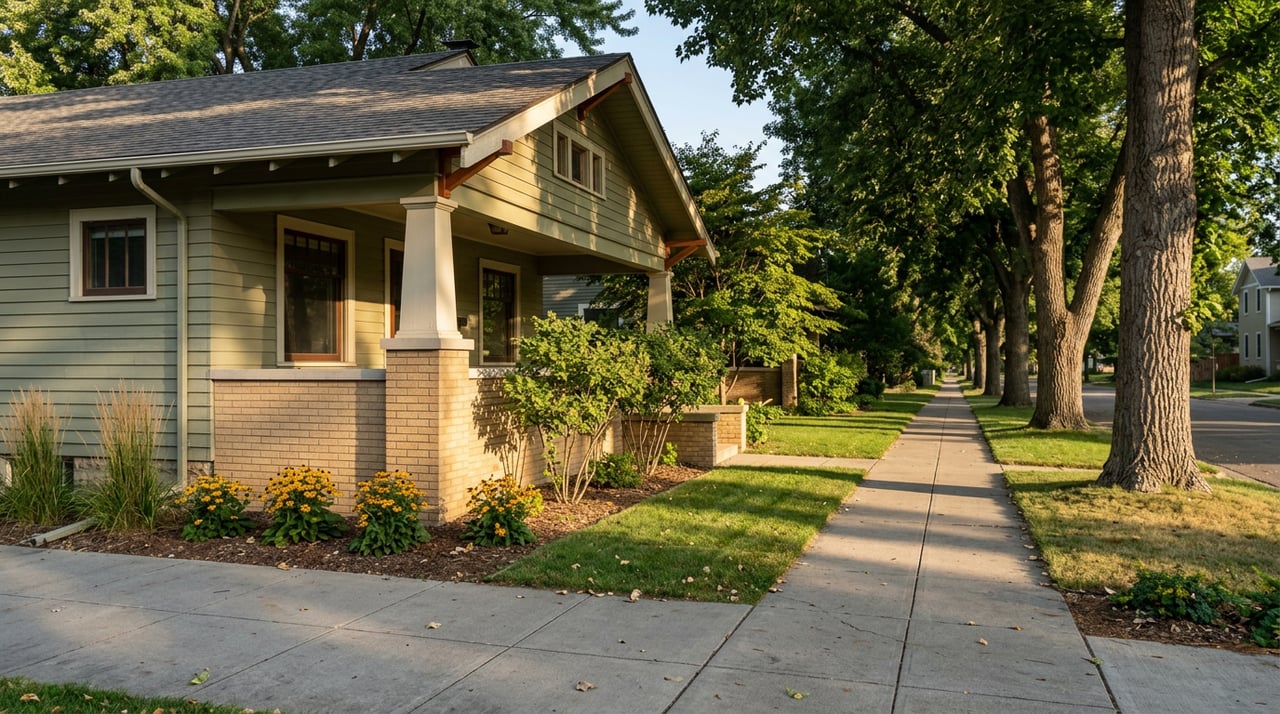
North Colorado Springs includes established suburban neighborhoods with small to medium lots, as well as newer master‑planned communities close to retail and employment centers. On the far northern fringe and into nearby unincorporated areas, you can still find pockets of larger lots and rural settings.
Many homes were built from the 1980s through the 2000s, with ongoing infill and new construction. Expect a mix of updated older homes and new builds, including communities with shared amenities.
HOAs and covenants: what to check
HOAs are common in both Monument and north Colorado Springs, especially in newer or amenity‑rich communities. Some Monument and fringe properties are not in an HOA.
Before you buy, review:
- CC&Rs and rules, including architectural guidelines, exterior standards, and rental policies.
- Fee structure and what’s covered, like common area maintenance, private roads, or snow removal.
- Reserve study, recent special assessments, and planned projects.
- Enforcement and complaint procedures.
- Management style, whether self‑managed or professionally managed, and how transparent meetings and minutes are.
Rules for accessory dwelling units, short‑term rentals, and home businesses can differ between Monument, the City of Colorado Springs, and unincorporated El Paso County. If you plan to remodel or add on, look into permit timelines, driveway access rules, stormwater requirements, and wildfire mitigation standards for your jurisdiction.
Daily life: shopping, care, schools, and parks
Retail and groceries
Monument’s town center provides grocery, pharmacy, restaurants, and small retail. For more big‑box and one‑stop shopping, you’ll often drive into north Colorado Springs. Living in the north city places you closer to larger retail clusters and multiple grocery options.
Healthcare access
Major hospitals and specialized care are concentrated in Colorado Springs. Monument has urgent care and primary care options, but you’ll likely head into the city for more advanced services. Response zones differ, so emergency response times can vary by neighborhood.
Schools and districts
School district boundaries do not always match city or town limits. Monument addresses are commonly served by Lewis‑Palmer School District 38, while north Colorado Springs includes areas served by Academy School District 20 and Colorado Springs School District 11. Private and charter options exist in both areas. Always verify school assignments for a specific address and review current district resources before deciding.
Parks and recreation
Monument offers local trails, access to Palmer Lake, and a strong outdoor‑living feel, with many neighborhoods near open space. North Colorado Springs features abundant city parks, regional trail connections, and programmed recreation facilities. Both areas provide reasonable access to mountain recreation with a drive.
Costs, utilities, and internet
Property and sales taxes
Both Monument and north Colorado Springs lie in El Paso County. Your total property tax depends on the property’s assessed value and the mill levies for the county, school district, and any special districts. Sales tax rates can differ between town and city limits. Check the latest rates and levies for the exact address you’re considering.
Water, sewer, and services
Inside town or city limits, you’ll often find municipal water and sewer. In Monument and nearby unincorporated areas, some properties use wells and septic systems or are served by non‑municipal water providers. Electric, natural gas, trash, and recycling vary by provider area, so it’s smart to confirm services as part of your due diligence.
Broadband and cellular
Coverage varies across the corridor. Many neighborhoods offer cable, DSL or fiber, and fixed wireless options, but some rural lots have limited wired choices. If you work from home, verify providers and speeds for the specific property.
Practical risks to factor in
Wildfire and defensible space
The northern fringe, including parts of Black Forest, has elevated wildfire risk. Both Monument and north Colorado Springs contain pockets where vegetation, topography, and access increase hazard. Review wildfire risk maps, ask about insurance, and plan for defensible‑space practices.
Winter weather and snow
Both areas get winter storms. I‑25 and major arterials are cleared, but timing and thoroughness can vary. HOA and municipal responsibilities differ for local streets and sidewalks, so clarify who handles snow removal for your neighborhood.
Flooding and drainage
Some older subdivisions and low‑lying corridors have localized drainage concerns. If a property sits near a creek or wash, check flood maps and local drainage plans during your inspection window.
Commute scenarios: how to choose
If you work in downtown Colorado Springs
You may prefer north Colorado Springs for shorter, more predictable drives. Proximity to multiple I‑25 interchanges can help. Monument adds miles southbound, which can add time during peak hours.
If your job is near Briargate or Interquest
North Colorado Springs often reduces local drive time. You’ll be close to employment clusters, retail, and services. Monument commuters typically have a straightforward I‑25 route but may face longer local drives to east‑west destinations.
If you commute to the Denver area
Monument can offer a head start northbound on I‑25. For some jobs along the northern Front Range, being farther north reduces overall miles. North Colorado Springs can still work well, but you’ll add distance to reach the same destinations.
If you work hybrid or from home
In Monument, you can prioritize lot size, views, and semi‑rural quiet if that fits your lifestyle. In north Colorado Springs, you can trade a smaller lot for faster access to retail, gyms, and healthcare between work sessions. In both cases, verify broadband options before you write an offer.
Decision checklist for buyers
Use this list to stress‑test your choice:
- Pin your exact work locations and most common travel times. Map routes for peak and off‑peak.
- Decide how much lot size and outdoor space matters to you.
- Confirm whether you want an HOA, and if so, what amenities and rules fit your lifestyle.
- Verify school district assignments for the exact address.
- Check water, sewer, trash, and utility providers and costs.
- Confirm broadband providers, speeds, and any data caps.
- Ask about snow removal responsibility for streets and sidewalks.
- Review wildfire risk, insurance considerations, and defensible‑space expectations.
- Consider how often you shop, dine out, or use medical services and how far you want to drive for them.
How we help you compare, step by step
Choosing between Monument and north Colorado Springs is simpler with a clear process. The Galloway Group pairs neighborhood knowledge with roadmaps, weekly updates, and proven negotiation playbooks so you always know the next step. We guide first‑time buyers, military and VA relocations, and new‑construction clients through side‑by‑side comparisons, HOA and utility checks, and realistic commute planning.
Ready to find the right fit for your routine and lifestyle? Reach out to Erik Galloway to get your Free Home Roadmap.
FAQs
How much extra commute time does Monument add to downtown Colorado Springs?
- Monument often adds miles southbound compared with north Colorado Springs, and actual time varies by start point and peak traffic conditions.
Which area is better for commuting to Briargate and Interquest job centers?
- North Colorado Springs typically offers shorter drives and more interchange options for nearby employment clusters.
What do HOAs usually cover in Monument and north Colorado Springs?
- HOAs commonly cover common area maintenance and may include private roads, amenities, and snow removal, but coverage and fees vary by community.
Where can I find larger lots or acreage near Colorado Springs?
- Many Monument neighborhoods and outlying fringe areas offer larger lots, while north Colorado Springs has standard suburban lots with some larger parcels on the edges.
How do school districts differ between Monument and north Colorado Springs?
- Monument areas are commonly served by Lewis‑Palmer District 38, while north Colorado Springs includes Academy District 20 and Colorado Springs District 11; always verify the exact address.
How reliable is internet service for remote work in both areas?
- Many neighborhoods have cable, DSL or fiber, and fixed wireless options, but rural parcels can be limited, so confirm providers and speeds at the property.
Who handles snow removal in each area?
- Municipalities and HOAs split responsibilities differently; confirm whether your street, sidewalks, and driveways fall under city, town, or HOA maintenance before you buy.