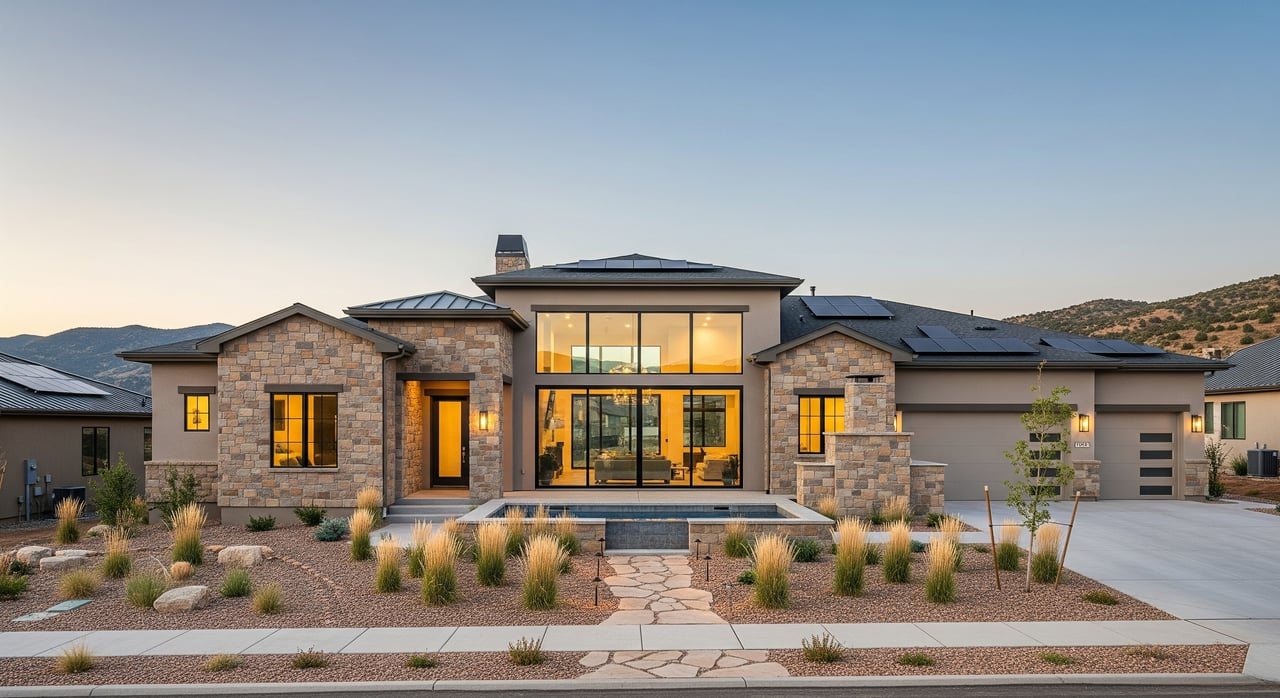
Eyeing a new build in Wolf Ranch and seeing a flood of “special financing,” design credits, and quick-move timelines? You are not alone. New construction can be a smart move, but the details matter if you want the best price, the right upgrades, and a closing date that actually fits your life. In this guide, you will learn how builder incentives really work, which upgrades add the most value in Colorado Springs, and how to time your contract around your lease or PCS schedule. Let’s dive in.
Wolf Ranch new-build basics
Wolf Ranch sits in northern Colorado Springs within El Paso County. It is a master-planned area with active phases, a mix of national and regional builders, and both to-be-built homes and inventory homes. Builders release lots and spec homes in stages, so incentives and availability change as phases sell.
Because promotions can change quickly with rates and inventory, verify the exact incentive, price, and timeline with the builder’s on-site team and your lender in writing. Local sources like the Pikes Peak Association of REALTORS, the El Paso County Assessor, and the Colorado Division of Real Estate can help you check taxes, market trends, and disclosures. Your goal is to confirm today’s facts before you sign.
Builder incentives: what to know
In Wolf Ranch, you will typically see five categories of builder incentives. Each one helps in different ways.
Rate buydowns
A rate buydown can be temporary or permanent. With a temporary buydown, the builder funds points so your interest rate is lower for a set period, then it steps up to the note rate. With a permanent buydown, the builder pays discount points that reduce your note rate for the life of the loan.
- Pros: lower payments upfront and sometimes better qualifying power.
- Cons: temporary buydowns raise later, and permanent buydowns can limit other credits. Not all lenders treat buydowns the same, so have your lender model both options side by side.
Closing-cost credits
Builders often credit funds toward closing costs, prepaids, title, or lender fees. This reduces your cash at closing. Credits can be capped by loan rules and may require using the builder’s preferred lender or title company. Ask if you can choose a price reduction instead and compare that to the credit.
Design center credits
You may see a fixed dollar or percentage credit to spend on finishes like flooring, cabinets, or countertops. Credits help stretch your budget, but design center prices can run higher than third-party contractors. Decide which items are best done now for convenience and warranty coverage versus later for cost control.
Price drops and packages
Some builders run limited-time price reductions or include appliances, window coverings, or landscaping. Confirm whether these are truly added value or already baked into the current list price. Get it in writing so the offer does not disappear mid-process.
Lot premium credits
On certain lots, builders may reduce or waive the lot premium. If the lot is the main reason you chose the home, this can be meaningful. Weigh the premium against the home’s total package and resale appeal.
Rules and limits to confirm with your lender
Loan programs have limits on seller or builder concessions that vary by down payment, occupancy, and loan type. FHA, VA, USDA, and conventional loans do not treat concessions exactly the same. Your lender should confirm, in writing, how a proposed credit or buydown will appear on your Closing Disclosure and whether it affects underwriting.
Compare incentives the smart way
Comparing incentives is not just about the biggest headline number. Use a simple framework:
- Ask the builder to clarify form and conditions. Is it a price reduction, a credit at closing, or a design-center credit? Does it require a preferred lender or title company? What is the expiration date?
- Get the numbers modeled by your lender. Ask for a written Loan Estimate that compares the buydown versus the standard rate and the credit versus a price reduction.
- Verify underwriting impact. For temporary buydowns, confirm whether you must qualify at the note rate or a blended rate.
- Confirm if price changed to fund the incentive. Ask directly if the credit is already accounted for in the current list price.
- Lock timelines in writing. Incentives can be tied to contract dates, construction milestones, or rate-lock windows.
Upgrades that add lasting value
Not all upgrades are equal. In our climate and market, focus on items that are costly to retrofit, reduce long-term operating costs, or add usable square footage.
High-priority upgrades
- Energy efficiency and mechanicals. Consider upgraded HVAC, better insulation, high-efficiency water heaters, and triple-pane windows where offered. These can cut utility costs and improve comfort.
- Finished basements. If a finished lower level is offered, it typically adds functional square footage and strong buyer appeal at resale.
- Kitchen quality. Durable countertops like quartz, upgraded cabinets, and solid-core drawers are often better value when installed during construction.
- Additional bedroom or flex room. Converting planned space into a bedroom or family room increases marketability.
- Garage function. Added depth, wider doors, or built-in storage are popular in Colorado and useful year-round.
Situational upgrades
- Flooring. Durable options like luxury vinyl plank can be a smart move, but match neighborhood standards and your lifestyle.
- Bathroom features. Walk-in showers and double sinks are attractive if they fit the plan and price.
- Smart-home wiring. Low-cost prewiring for data, security, and EV can be convenient to add during construction.
Lower-ROI or deferable items
- Highly personalized finishes or custom millwork that may not appeal broadly.
- Extensive landscaping beyond community norms. You can always add more later.
- Luxury splurges that are not obvious in photos or showings and may not translate to resale value.
Builder upgrades vs after move-in
- Warranty. Builder-installed items typically fall under the builder’s warranty, which simplifies service.
- Cost. Design-center pricing can be higher than hiring a contractor later, but you get one coordinated install and a single point of contact.
- Timing. Builders set deadlines for selecting options. After certain milestones, changes may be impossible or costly.
Time your contract and closing
Your plan depends on whether you need a quick move or can wait for a build cycle. Typical build times run about 6 to 9 months from foundation to completion, depending on plan, lot, weather, and supply chains. Inventory homes can often close in 30 to 60 days, sometimes faster.
If you need to move fast
- Focus on inventory or nearly complete homes with a clear path to Certificate of Occupancy.
- Ask for the earliest possible closing date and the steps to lock it.
- If your lease runs longer, ask whether the builder allows temporary occupancy or a later possession date after closing.
If you have 6 to 9 months
- A to-be-built plan may fit well. Confirm deadlines for selecting options and any upgrade cutoffs.
- Request a written delivery window and ask what causes delays most often.
- Build in buffer days for walkthroughs, lender conditions, and utilities.
If your lease timing is tight
- Target immediate-possession inventory homes.
- Coordinate your walkthrough, final acceptance, and move with a mid-week or weekend plan to reduce overlap.
- Consider short-term storage or a brief lease extension if your closing window is narrow.
Protect your timeline in writing
- Closing date and possession. Negotiate a clear closing or occupancy date, or a window, and document it.
- Extensions and grace periods. Include a small buffer so a minor delay does not cause a scramble.
- Rent-back or temporary occupancy. If offered, confirm rate, length, and insurance requirements.
- Remedies for delay. Ask about credits or defined remedies if the builder misses the delivery window. Some builders resist this, but it is worth asking.
Your Wolf Ranch checklist
Before you sign anything, gather and confirm these items in writing:
Price and incentives
- Itemized base price, lot premium, and each upgrade with cost.
- Exact incentive terms and form: price reduction, closing credit, rate buydown, or design credit.
- Preferred-lender or title requirements tied to incentives and any expiration dates.
Loan and underwriting
- A written Loan Estimate comparing standard rate vs buydown and credit vs price reduction.
- Confirmation of how concessions appear on the Closing Disclosure and whether limits apply to your loan type.
Timeline and delivery
- Projected Certificate of Occupancy date and a written closing window.
- Deadlines for selecting options and change-order rules.
- Availability of temporary occupancy or rent-back if your lease ends after completion.
Property details
- HOA documents, dues, and any community rules that affect exterior changes.
- Estimated property taxes and any special assessments from the county.
Warranty and walkthroughs
- Builder warranty document and process for punch-list requests.
- Inspection plan: pre-drywall (if allowed), rough-in review, and final walkthrough.
- Typical warranty coverage periods. Many builders follow an industry pattern of 1 year for workmanship, 2 years for mechanical systems, and 10 years for structural items. Confirm the specifics for your contract.
Next steps
You can secure real value in Wolf Ranch by pairing smart incentives with the right upgrades and a realistic closing plan. Start by getting every number and date in writing, having your lender model the options, and aligning the possession date to your lease or PCS timeline. If you want a calm, step-by-step path from lot release to key exchange, we are here to help.
Ready for a clear plan and weekly updates all the way to closing? Connect with Erik Galloway to get your free Home Roadmap and compare builders with confidence.
FAQs
What are the most common builder incentives in Wolf Ranch?
- You will typically see rate buydowns, closing-cost credits, design center credits, occasional price reductions or appliance packages, and lot premium credits.
How do rate buydowns compare to price reductions?
- A buydown lowers your payment for a period or permanently, while a price reduction lowers your loan amount; have your lender model both to see which saves more overall.
Which upgrades add the best long-term value in Colorado Springs?
- Energy-efficient mechanicals, finished basements, quality kitchen upgrades, added bedrooms or flex rooms, and practical garage improvements tend to have strong appeal.
How long does a new build usually take in Wolf Ranch?
- A typical build often runs about 6 to 9 months from foundation to completion, while inventory homes can often close in 30 to 60 days depending on lender and title.
How can I line up closing with my lease end date?
- Negotiate a closing window and possession terms in writing, consider inventory homes for tight timelines, and build in buffer days for walkthroughs and lender conditions.
Do builder incentives require using a preferred lender?
- Many do; ask if the same benefit is available as a price reduction and get a written side-by-side quote from your lender to compare total cost.